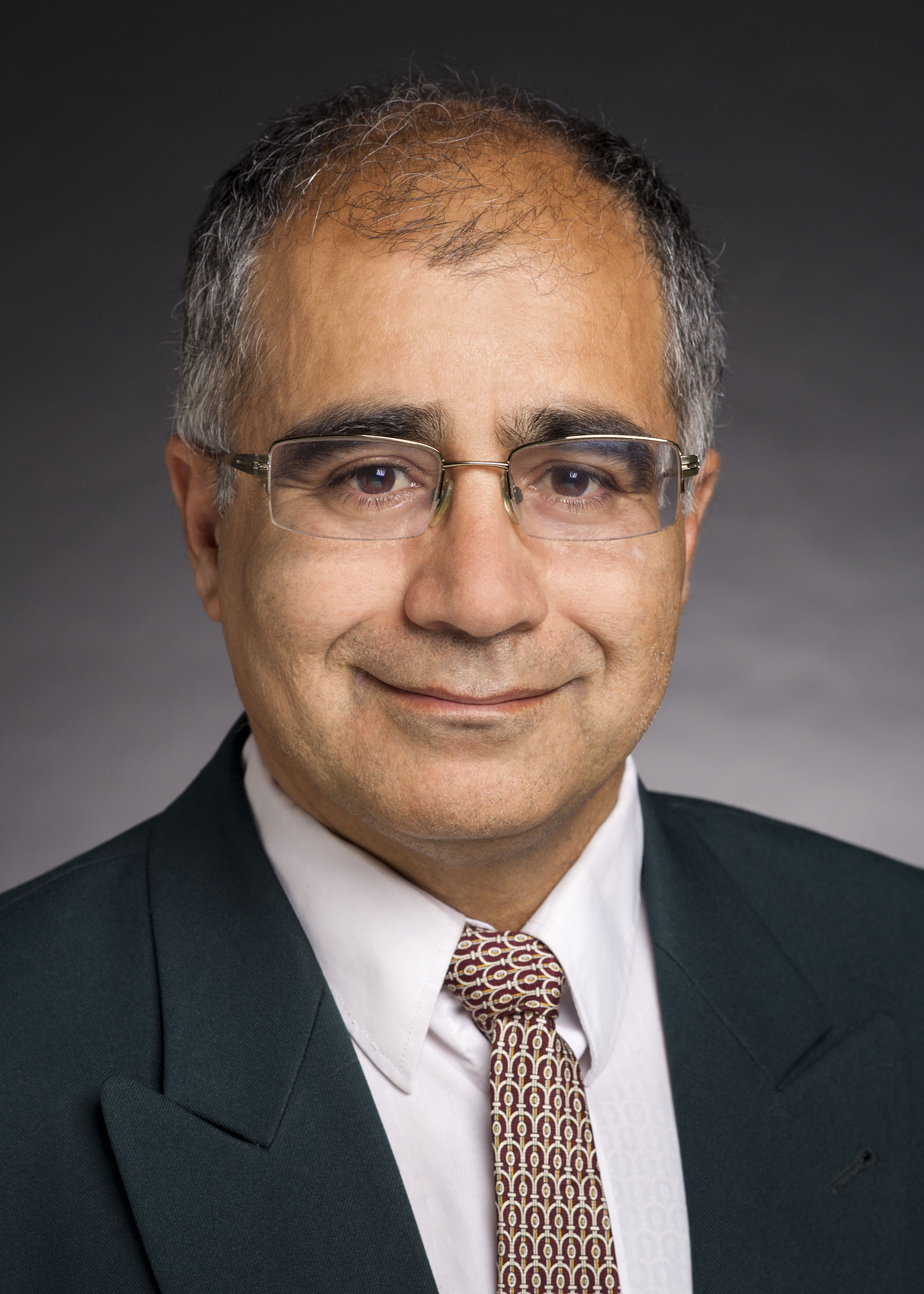
Welcome to Ahmad Salehi's WebsiteDepartment of Psychiatry & Behavioral Sciences, Stanford Medical School |
||
 - Member Editorial Board: The Journal of Neurology & Neurophysiology- Open Access 
- Winner The World Technology Award In the Field of Biotechnology  - Winner of Herman Boerhaave Award in the Field of Alzheimer's Disease, The University of Leiden  Contact: asalehi@stanford.edu |
Since August 1999, I have been working at Stanford Medical School, California and have dedicated my energy to understanding the molecular mechanisms of failed cognition in Down syndrome and Alzheimer's disease. The evolution of my research started in 2001 when, we identified a phenotype, i.e. degeneration of basal forebrain cholinergic neurons in Ts65Dn mouse model of Down syndrome. In 2006, in a study published in Neuron, we identified amyloid precursor protein (App) as the gene responsible for degeneration of cholinergic neurons in Ts65Dn mouse models of Down syndrome. This study suggested a new strategy to treat Down syndrome, i.e. reducing the expression of App. In November 2009, in a paper published in Science Translational Medicine, we found that, in addition to cholinergic neurons, norepinepgrine-ergic neurons undergo significant degeneration in Down syndrome mouse models. Interestingly, we also found that increasing the levels of brain norepinephrine is able to restore cognition in this mouse model. Since drugs with ability to increase norepinephrine levels (e.g. norepinephrine-reuptake inhibitors) are already in the market, this will have significant implications in the progress in the treatment of people with Down syndrome and would drastically expedite the process of regulatory approval, once that it is shown that they are safe and have similar positive effects in people with Down syndrome. Translate This Page |
|
